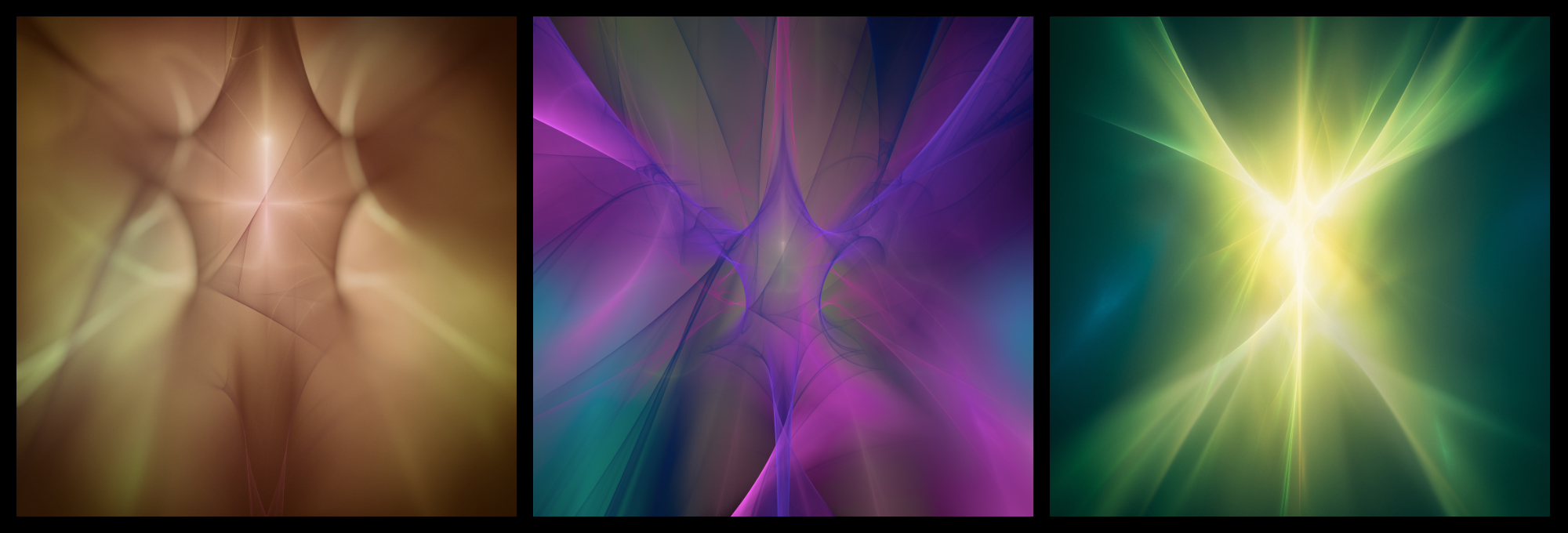
This triptych and poem gives voice to the world of those "locked in" who, through damage or illness, are unable to move or communicate, and yet can see, hear, and have no loss of cognitive function.
. . .
The Love That Still I Yearn
Lay
Still
Life
As feather yet to fly
Clothed in nectared amber cell
Resin-hard and held beyond a time once loved
Tongue tied and bound
In solitude
Too sad to tell
I fall
In dream I dive
The sap of loneliness
Unshared
My beauty
Hear my silent song
Between the sheets
Return
My sense of sky
Look on
Fear not the sight of my unknown
Touch me
My light and dark
And journey now
The love that still I yearn
At the heart of every snowflake is a nucleus of dust. This tiny particle could originate from any number of places: the smoke from a forest fire; the minute specks of volcano ash that are pushed into the high atmosphere; the fine debris that falls from a meteor as it streaks across the sky; the microscopic particles picked up by the wind from plant spores and the cells of feather and skin that living things shed each day.
I ponder on the journey of a particle of dust. The dust from one living thing to another.
From someone standing on a hill looking skyward, from distant sand, and then for days across an ocean far below, until on high, ice crystals enfold and change the particle of dust to form a single snowflake that lightly tumbles to the earth and, after time, comes to fall upon my palm. I sense its cold but cannot feel its weight. like the image that accompanies the poem, it is as light as light itsesf, waiting to be known by the warmth of my attention. I easily ignore a solitary snowflake, yet its journey can be as great as any I have made.
•
A Solitary Snowflake Falls
A speck of dust from soil or sand,
From powder down or loose brushed skin,
Encased within its centre lays,
A prick from past of living thing.
As snowflake falls,
The grain returns in shallow husk of crystal white,
Come gently lay upon this earth,
In wait and warmth in day or night.